Thinking about Winchester, MA? If you want a town that feels polished, connected, and distinctly local, Winchester stands out for its village-style center, commuter-friendly access, and abundant green space. It can be a great fit if you are looking for an established suburban setting with character homes and a strong sense of place. Here’s what daily life in Winchester is really like, and what you should know before you move.
Winchester at a glance
Winchester is a largely residential suburb about eight miles north of Boston. Town materials describe it as a bedroom town, but that label only tells part of the story. What makes Winchester different is that it pairs that commuter-town role with a compact center that still functions as the heart of daily life.
Current Census Bureau estimates put the population at 23,953. The town also has an owner-occupied housing rate of 81.7%, a median household income of $230,198, and a median value of owner-occupied homes at $1,215,200. Those numbers help explain why Winchester is often seen as a high-cost, long-term ownership market.
Daily life feels local
One of the first things you notice about Winchester is that the town center feels more like a village core than a typical suburban commercial strip. The center includes the Common, the renovated train station, local dining, bookstores, studios, galleries, and public gathering spaces that give the area a steady community rhythm.
The town’s cultural district vision also highlights festivals, farmers market activity, library talks, Jenks Center programs, and Griffin Museum exhibits. That means your weekends and evenings can feel active without needing to leave town. Instead of a spread-out retail experience, Winchester offers a downtown that encourages walking, browsing, and running into familiar places.
Parking in the center is managed through permits and pay-by-space lots. In practical terms, that suggests a downtown that is busy and used often, but not built around easy, unlimited car access like newer suburban shopping areas.
Outdoor access is a major perk
If you value green space, Winchester has a lot going for it. The town says its parks, fields, and conservation areas are preserved for both active and passive recreation, which gives the community a noticeably leafy and outdoors-oriented feel.
Local options include the Town Common, Wedge Pond, and the 29-acre Town Forest. Wedge Pond also has a swimming beach, which adds a seasonal amenity right in town. The Mystic Lakes and other nearby ponds contribute to the scenic character that many buyers are looking for in this part of Greater Boston.
A major lifestyle advantage is the Middlesex Fells Reservation along Winchester’s eastern edge. The Fells offers more than 100 miles of trails, along with hiking, biking, paddling, and off-leash dog access. If you want quick access to woods and water while still being close to Boston, that is one of Winchester’s strongest selling points.
Winchester is compact and connected
Winchester is not a huge town, and that shapes daily life in a useful way. According to town materials, it is about 4.5 miles at its widest point, and most destinations are within 2 to 3 miles of one another. That makes it easier for routines to feel manageable and local.
The town maintains about 90 miles of public ways, and walking and biking are realistic in at least some parts of town. The Tri-Community Greenway begins at the Wedgemere Commuter Rail Station and runs through downtown past the Jenks Center and Winchester High School. For some residents, that helps turn errands, school-area trips, and station access into something you can do without always getting in the car.
Town transportation pages also note sidewalks on many busier streets, sharrows on some roads, and bike racks downtown and at schools. That does not make Winchester car-free, but it does support a more flexible day-to-day lifestyle than many suburban towns offer.
Commuting is part of the lifestyle
Winchester is closely tied to Boston-area commuting patterns. Town records show two MBTA Commuter Rail stations in town: Winchester Center and Wedgemere. For buyers who commute into Boston or want rail access, that is a meaningful convenience.
Census travel data show a mean travel time to work of 31.4 minutes in the 2020 to 2024 ACS period. That does not predict any one person’s schedule, but it does reinforce Winchester’s identity as a transit-connected suburb rather than a more isolated community.
There are a few practical details worth knowing. Wedgemere uses pay-by-space parking, and the town center has its own permit system. If commuter access matters to you, parking rules and station proximity should be part of your home search strategy, not an afterthought.
Homes have character and variety
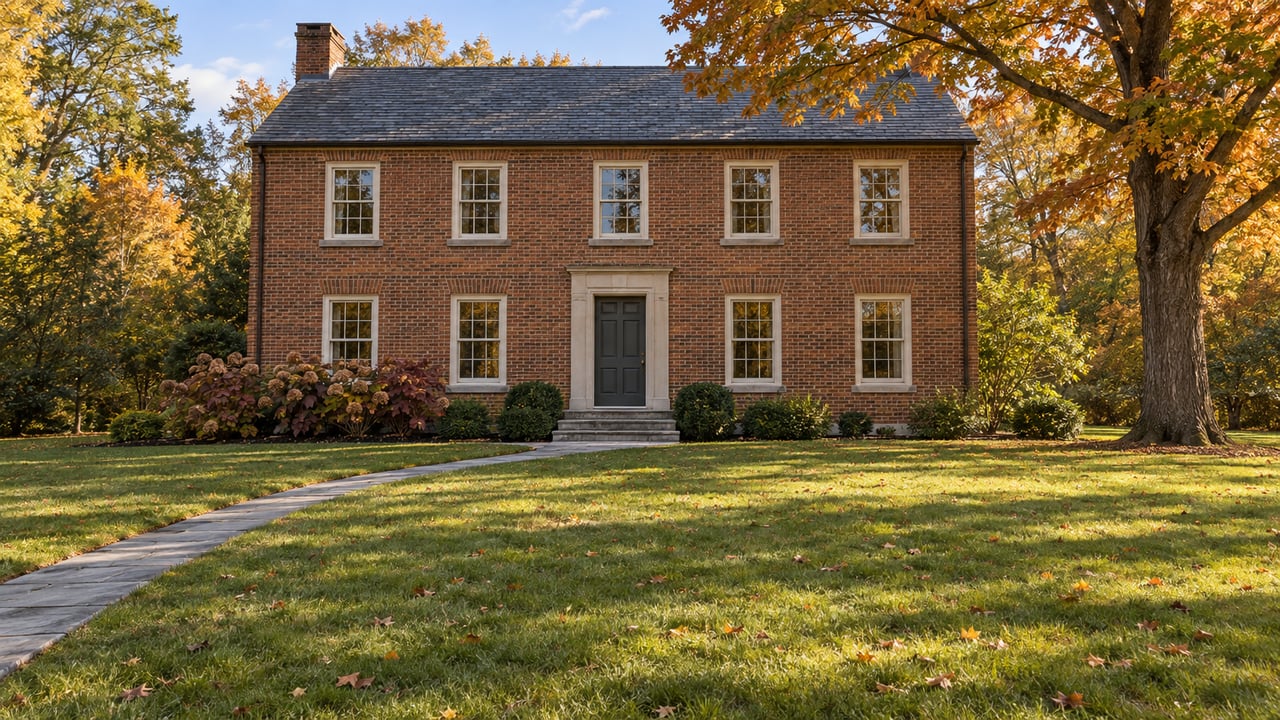
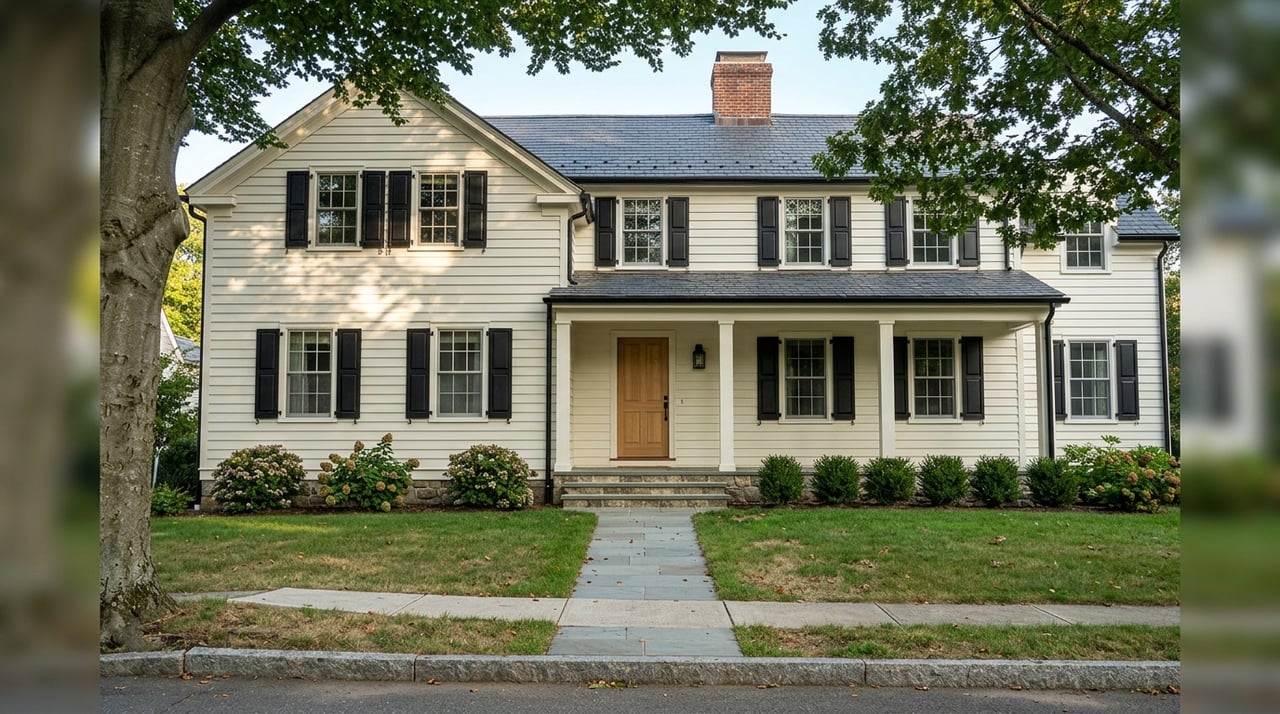
Winchester’s housing stock is one of its biggest draws. Town history materials note many historic homes and neighborhoods, including examples of Mansard, Queen Anne, Colonial Revival, and Shingle-Style architecture. In real life, that often translates to tree-lined streets, older homes with detail and character, and a more established neighborhood feel.
You are more likely to find architecturally varied homes here than large pockets of uniform newer construction. Buyers often encounter older character homes, updated single-family properties, and streetscapes that reflect the town’s long development history.
That said, Winchester is not frozen in time. The town’s 2024 to 2029 Housing Production Plan notes that zoning mainly supports single- and two-family homes, while recent multifamily permitting has increased and Winchester Center has potential for more multifamily housing. Accessory dwelling units are also part of the town’s housing strategy.
Expect a competitive, high-cost market
Winchester offers a strong lifestyle, but it comes at a premium. The Housing Production Plan reports median home prices of over $1.5 million for single-family homes and over $750,000 for condos. Census data also show a median gross rent of $2,279 and a median owner-occupied home value of $1,215,200.
Those figures point to a market shaped by limited supply and high demand. The same town housing plan says Winchester faces limited supply and high prices, which is important context if you are trying to understand why inventory can feel tight.
For many buyers, Winchester appeals as a place for long-term ownership rather than a short-term move. The high owner-occupied rate supports that idea. If you are considering Winchester, it helps to be clear about your budget, priorities, and how much value you place on location, housing style, and commuter access.
Community life goes beyond shopping
Winchester’s appeal is not just about homes and commuting. The town center has a distinctly civic and cultural identity, which gives daily life more depth than you might expect from a suburban market.
The official cultural district highlights arts, humanities, and science programming, along with public events, local businesses, the Common, the renovated train station, farmers market activity, church-sponsored concerts, library talks, Jenks programming, and Griffin Museum exhibits. That creates a downtown atmosphere that feels active and community-oriented.
The town also has institutions that support everyday life across age groups and interests. Winchester Community Music School serves as a regional hub for music education and performance, offering lessons, classes, workshops, and concerts. The Jenks Center provides cultural, educational, recreational, and social-service programming for residents age 55 and older, making it a visible part of community life.
Who Winchester may fit best
Winchester may be a strong fit if you want a suburban town with a recognizable center, established homes, and easy access to outdoor recreation. It can also make sense if rail access to Boston is important and you prefer a community where many daily destinations feel relatively close together.
It may be especially appealing if you are looking for a home with architectural character rather than a newer, more uniform subdivision feel. The combination of historic housing, green space, and a walkable center gives Winchester a sense of identity that can be hard to find.
At the same time, it helps to go in with realistic expectations. Home prices are high, supply is limited, and practical details like commuter parking can affect your daily routine. For many buyers, the question is not whether Winchester is appealing, but whether the lifestyle aligns with their budget and priorities.
The bottom line on living in Winchester
Living in Winchester often means getting a calm, established suburban environment without giving up connectivity or community texture. You have a village-style downtown, access to the Commuter Rail, meaningful green space, and a housing stock filled with character and variety. That combination is a big reason Winchester continues to stand out in Greater Boston.
If you are weighing a move, the key is to look beyond the town’s reputation and focus on how you want to live day to day. Commute patterns, home style, outdoor access, and proximity to the center can all shape your experience in very different ways. If you want help evaluating whether Winchester matches your goals, The Boston ONE Team | SERHANT. can help you navigate the market with a clear, local perspective.
FAQs
What is daily life like in Winchester, MA?
- Daily life in Winchester often centers around a compact downtown, local cultural programming, green space, and commuter access to Boston, with many destinations located within a few miles of each other.
Is Winchester, MA good for commuting to Boston?
- Winchester has two MBTA Commuter Rail stations, Winchester Center and Wedgemere, and Census data show a mean travel time to work of 31.4 minutes, which supports its role as a commuter-oriented suburb.
What types of homes are common in Winchester, MA?
- Winchester is known for older and architecturally varied housing, including Mansard, Queen Anne, Colonial Revival, and Shingle-Style homes, along with updated single-family houses and some condo and multifamily options.
Is Winchester, MA a walkable town?
- Some parts of Winchester support walkability and biking, especially near downtown and along the Tri-Community Greenway, though car use and parking logistics still play an important role in everyday life.
Is Winchester, MA expensive?
- Winchester is a high-cost housing market, with the town’s housing plan reporting median prices above $1.5 million for single-family homes and above $750,000 for condos.
What outdoor amenities does Winchester, MA offer?
- Winchester offers access to parks, fields, conservation areas, Wedge Pond, the Town Forest, and the Middlesex Fells Reservation, which includes more than 100 miles of trails and other recreation options.