If you want a suburb that keeps Boston within reach without giving up green space and character, Milton deserves a serious look. For many buyers, the challenge is finding a place that balances commute access, housing style, and day-to-day livability. Milton checks many of those boxes, but it also comes with tradeoffs around price and transit convenience. Here’s what you should know before deciding if Milton fits your Boston commute and your lifestyle.
Milton’s Commuter Location
Milton is not a far-out suburb built only for weekend trips into the city. The town describes itself as a contemporary suburban community just south of Boston, with access to Routes 128, I-93, and I-95, plus MBTA service through the Mattapan trolley. That location helps explain why Milton has long attracted people who work in Boston.
The town’s history and planning documents support that commuter identity. Milton’s transportation links made it possible for residents to live in town and travel into the city for work, and more than 40% of Milton workers are employed in Boston. If your job is in Boston, Milton is clearly part of that orbit.
What the Daily Commute Looks Like
For many buyers, the biggest question is not whether Milton is close enough to Boston. It is how smooth the trip feels on a normal weekday. That answer depends a lot on whether you plan to drive or use transit.
Driving from Milton to Boston
Milton has quick access to major roadways, which is a major plus if you commute by car. The town points to Routes 128, I-93, and I-95 as part of its transportation advantage, and that road access supports travel into Boston and around Greater Boston more broadly.
The local data also show that driving is how most people in Milton get to work. According to the town’s master plan, 73% of workers drive alone. That does not mean driving is effortless every day, but it does show that car commuting is a common and practical fit for many residents.
Transit from Milton to Boston
Transit is available, but it is important to set expectations. Milton’s MBTA connection comes through the Mattapan trolley, which links to Ashmont Station. From there, you transfer to continue into Boston on the Red Line.
That means Milton is not the best match if you want a simple one-seat ride into downtown Boston. The Planning Board specifically notes that the Mattapan trolley does not provide direct access to downtown and requires a transfer at Ashmont. If you rely on transit every day, that extra step should be part of your decision.
Is Milton a Good Seaport Commute?
If you work in the Seaport, Milton can still work, but the trip may feel less seamless than a commute to downtown Boston. Based on the route structure, Milton’s transit path runs through Ashmont rather than directly into the Seaport. In practical terms, that can make your daily routine a bit less straightforward.
For buyers who commute to the Seaport a few days a week and drive regularly, Milton may still make sense. For buyers who want the most direct transit possible, it may be less ideal.
Why Milton Appeals Beyond the Commute
A suburb is not just about getting to work. It is also about how your life feels when you are home, on weekends, and in the hours outside the commute. This is one of Milton’s strongest selling points.
The town says it has the most privately and publicly conserved land within 20 miles of Boston. That helps create the leafy, residential atmosphere many buyers picture when they think about a classic close-in suburb.
Outdoor Access in Milton
Milton offers strong access to open space and recreation. Blue Hills Reservation extends into town and spans more than 7,000 acres, with Houghton’s Pond in Milton offering a 24-acre pond and an accessible beach. That gives you a real outdoor option without planning a long drive.
The Neponset River Reservation also adds to the local lifestyle. It stretches from Milton to Boston Harbor and includes hiking, boating, playgrounds, and spray decks. If you want a suburb where parks and trails are part of your normal routine, Milton stands out.
Nearby Waterfront Options
Milton itself gives you a green setting, and nearby waterfront access adds another layer. Quincy Shores Reservation has a 2.3-mile beach, and Squantum Point Park offers skyline views across the water. For many buyers, that means weekdays in the city and weekends outdoors can both fit into one address.
Milton Schools and Local Education Options
For buyers comparing suburbs, schools often play a role in the search. Milton Public Schools serves six schools, including four elementary schools, Pierce Middle School, and Milton High School. The town also notes local private education options such as Milton Academy and Fontbonne Academy, along with Curry College.
State data from the Massachusetts Department of Elementary and Secondary Education shows the district was classified as not requiring assistance or intervention and made substantial progress toward targets in 2024. The same report card lists a 74% accountability percentile and a 96.4% four-year cohort graduation rate for 2023.
At the same time, the data are not one-dimensional. The report card also shows a 13.1% high school chronic absenteeism rate in 2024 and a decline in advanced coursework completion. If schools are important in your move, Milton offers solid district-level indicators, but it still makes sense to review the latest public data carefully.
Milton Homes: Style, Character, and Age
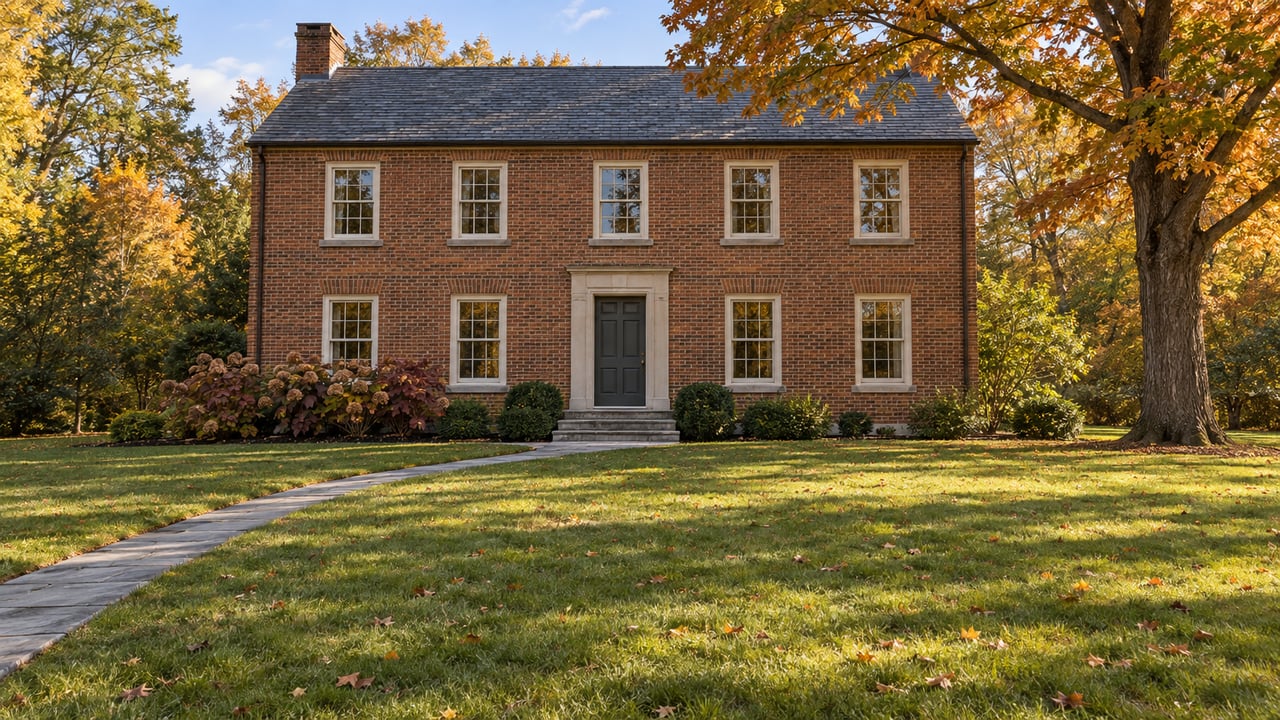
Milton’s housing stock is one of its biggest draws, especially if you like homes with architectural detail and a sense of place. The town history notes that Milton still has many 19th-century country houses and estates, along with early 19th-century workers’ housing. In Milton Village, the building mix includes Colonial, Federal, Queen Anne, Romanesque Revival, and Georgian Revival styles.
This is not a suburb dominated by recent construction. According to town planning data, about half of Milton’s housing units were built before World War II, and another 40% were built between 1940 and 1980. In Milton Village, only 3% of buildings were built after 2000.
What Older Housing Means for Buyers
Older homes can offer charm, mature landscaping, and larger lots. They can also come with more maintenance, renovation needs, and inspection considerations than newer housing stock. The town plan notes that homes built before 1978 may contain lead-based paint, which is one more factor to keep in mind as you budget and evaluate properties.
If you love character homes, Milton may feel more compelling than a newer suburb with less architectural variety. If you want low-maintenance, newer construction, your options may be more limited and more expensive.
What Does It Cost to Buy in Milton?
Milton is a premium-priced market, and that matters just as much as the commute. Current market snapshots vary by source, but they all point in the same general direction: high prices and relatively fast movement.
Realtor.com reported 38 homes for sale, a median listing price of $1.19 million, a median 21 days on market, and a 100% sale-to-list ratio in March 2026. Redfin reported a median sale price of $928,000 in March 2026, up 8.8% year over year, while Zillow placed the average home value at $1.07 million and said homes go pending in around 8 days.
The exact figure depends on the method each platform uses, but the takeaway is clear. Milton is not an entry-level suburb in today’s market. If you are shopping here, it helps to be financially prepared, decisive, and realistic about competition.
Who Milton Fits Best
Milton tends to fit buyers who want three things at once: Boston access, outdoor space, and homes with character. It can be especially appealing if you are comfortable with a driving commute or a transit trip that includes a transfer. For many people, that tradeoff feels worthwhile because of the town’s setting and housing stock.
It may be less compelling if your top priority is affordability or a direct, one-seat transit ride into the city. In that case, Milton’s premium pricing and transfer-based MBTA access may feel like compromises rather than advantages.
Final Takeaway on Milton
Milton offers a strong mix of proximity to Boston, established residential character, and access to open space that is hard to ignore. It has the feel of a true commuter suburb, but not one that leaves you far removed from the city. The main tradeoffs are cost and the fact that transit riders should expect a transfer-based commute rather than a direct line downtown.
If you are weighing Milton against other Boston-area suburbs, the right answer comes down to how you rank commute style, housing character, outdoor access, and budget. If you want help comparing Milton with your other options or evaluating specific homes, The Boston ONE Team | SERHANT. can guide you with local insight and a high-touch approach.
FAQs
Is Milton a good suburb for Boston commuters?
- Yes. Milton is a strong fit for many Boston commuters because it sits just south of the city, offers access to major highways, and has MBTA service through the Mattapan trolley.
Does Milton have direct MBTA service to downtown Boston?
- No. Milton’s transit route uses the Mattapan trolley and requires a transfer at Ashmont, so it is not a one-seat ride to downtown Boston.
Is Milton a good choice for Seaport commuters?
- It can be, especially if you drive, but transit to the Seaport is less direct because the route funnels through Ashmont rather than going straight into the Seaport area.
What are homes in Milton like?
- Milton has a large share of older homes, including historic and early-to-mid 20th century housing, with architectural styles such as Colonial, Federal, Queen Anne, Romanesque Revival, and Georgian Revival.
Is Milton an expensive Boston suburb?
- Yes. Recent market data show Milton is a premium-priced market, with reported values around the high six figures to over $1 million depending on the data source and metric used.
What is the lifestyle in Milton like?
- Milton offers a mix of Boston access and outdoor living, with conserved land, Blue Hills Reservation, Houghton’s Pond, and the Neponset River Reservation supporting an active weekend lifestyle.