A second home on Nantucket can be a dream purchase, but it is not a typical second-home market. Between limited supply, coastal exposure, seasonal travel logistics, and local rental rules, the island asks you to think beyond the usual checklist of price, size, and style. If you are considering a purchase here, understanding how Nantucket works can help you make a smarter decision and avoid costly surprises. Let’s dive in.
Why Nantucket feels different
Nantucket operates differently from many mainland second-home markets for a simple reason: it is an island with constrained supply and strong demand. The Town of Nantucket describes the island as both a town and a county with a year-round community, while also noting that more than half of the island is protected from future development.
That combination matters if you are buying a second home. Limited future development can help explain why supply stays tight, while demand comes from both seasonal visitors and year-round residents. In practical terms, you are shopping in a market where scarcity is part of the story.
Nantucket home prices at a glance
If you are coming from many mainland markets, Nantucket pricing may reset your expectations quickly. In the town’s October 2025 market review, residential sales totaled 245 transactions and $1.23 billion in volume, with an average selling price of $5.03 million and a median selling price of $3.47 million.
Average months on market came in at 4.2, which shows that pricing is elevated even before you move into the highest luxury tier. For many second-home buyers, the key takeaway is simple: entry points on Nantucket can still be expensive by broader regional standards.
Price trends by segment
The same market review showed that the biggest year-to-date increase in transaction activity came from the $1 million to $2 million segment. It also showed the sharpest decline in the $4 million to $5 million range.
That does not mean one price band is always better than another. It does mean activity can shift noticeably depending on the segment, so it helps to study current inventory and timing instead of assuming the market moves evenly across all price points.
Budgeting beyond the purchase price
When you buy a second home on Nantucket, carrying costs deserve just as much attention as the purchase price. Property taxes, insurance, travel, maintenance, and potential rental compliance costs can all shape the true cost of ownership.
For FY2026, Nantucket’s residential tax rate is $3.12 per $1,000 of assessed value. Using that rate, a home assessed at $3 million would carry roughly $9,360 in town tax before any exemption.
Primary residence exemption does not apply
This is an important detail for second-home buyers. The town’s residential exemption is available only for qualifying primary residences, not second homes.
That means you should budget based on the full residential tax rate. If you are comparing Nantucket to a primary home purchase elsewhere, this difference can meaningfully affect your annual ownership costs.
Tax timing matters too
Nantucket bills real estate taxes quarterly, and the fiscal year begins July 1. That may seem like a small administrative detail, but it can help with planning your cash flow, expected carrying costs, and even your preferred closing timeline.
Travel logistics affect real ownership
A second home only feels useful if you can get to it with relative ease. On Nantucket, access is part of the ownership equation.
The town says year-round ferry service runs from Hyannis through the Steamship Authority and Hy-Line Cruises. High-speed ferry service takes about one hour, while the traditional car ferry takes about 2 hours and 15 minutes, and the town recommends reserving vehicle space well in advance.
Air travel options are seasonal in part
By air, Nantucket has the second-busiest commercial airport in Massachusetts according to the town. Year-round flights are listed from Boston, Hyannis, Martha’s Vineyard, and Westchester/White Plains, while several larger-hub carriers operate seasonally.
The airport’s FY2026 enplanement report also reinforces the island’s seasonal rhythm, with several airlines marked closed outside the peak summer period. For you as a buyer, that means your travel patterns may look different in July than they do in November.
What this means for second-home use
A Nantucket property is not always a spontaneous weekend home in the way a mainland property might be. Ferry reservations, weather disruptions, flight schedules, and vehicle transport can all influence how often you use the home and how convenient ownership feels.
If you plan to visit often, it is worth thinking through your real travel habits before you buy. Convenience on paper and convenience in practice are not always the same.
Coastal risk should be part of day one due diligence
On Nantucket, location means more than proximity to beaches or town amenities. It also means understanding exposure.
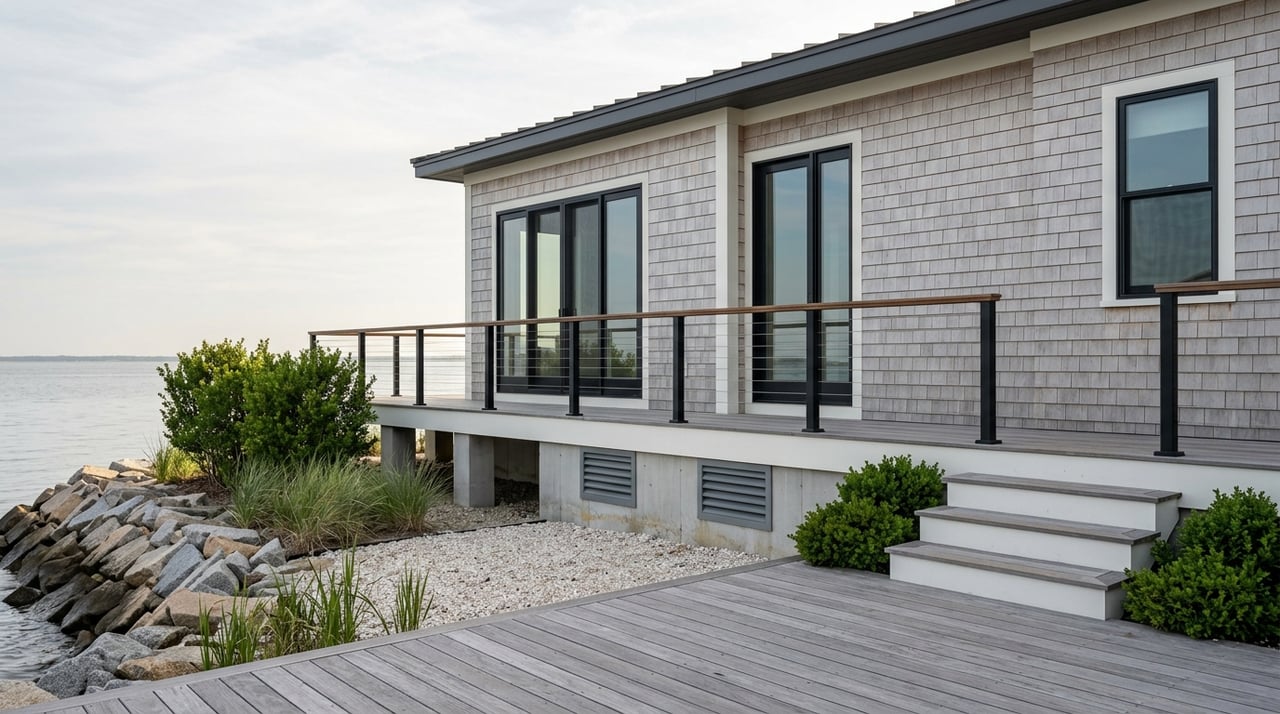
The town’s Coastal Resilience materials note that Nantucket has about 88 miles of shoreline and is highly exposed to flooding and erosion. The town also makes sea-level-rise and hazard maps available, which gives buyers an important tool early in the search process.
Homes near water need extra review
If you are considering a waterfront, bluff-adjacent, or low-lying property, you should evaluate location, elevation, and exposure early. Insurance should also be part of that early review, not something left until the final days before closing.
This does not mean you should avoid coastal property. It means you should approach it with clear eyes and a stronger due diligence process.
Understanding common property types
Nantucket sales reporting commonly separates single-family homes, condominiums, co-ops, and covenant properties. The town’s short-term rental materials also reference houses, cottages, apartments, and condominiums.
For you as a second-home buyer, the big question is often less about labels and more about use. Is the property a standalone house, a condo, or a multi-unit or cottage setup that may come with different registration or rental treatment?
Why property type matters
Property type can affect your ownership experience in practical ways. It may influence maintenance expectations, rental registration needs, or how you think about privacy, flexibility, and long-term carrying costs.
Before you buy, make sure the property type lines up with how you want to use the home most of the year.
Short-term rentals on Nantucket are regulated
If rental income is part of your second-home strategy, do not assume Nantucket works like every vacation market. The town defines a short-term rental as a dwelling rented for 31 days or less.
The town also states that a property rented for a total of 14 days or less in a calendar year is not treated as a short-term rental, and stays with a change in occupancy beyond 31 days are also not considered short-term rentals. If a property meets the town’s definition, it must follow local and state registration and compliance requirements.
What owners need to do
According to the town’s current FAQ, qualifying short-term rental operators must:
- Register with the state
- Register with the town
- Pay required fees
- Certify compliance
- Renew the town certificate annually
The town lists a $250 registration fee. The fee schedule effective October 1, 2024 also lists a 5.70% state room occupancy excise, a 6.00% local room occupancy excise, and a 3.00% community impact fee.
Important operating rules
Nantucket’s short-term rental rules include several details buyers should understand before closing. The town says separate certificates are required for each dwelling unit, even if multiple units sit on the same property.
The same regulations require at least $1 million in liability coverage, a local designated person who can respond within two hours, and an occupancy cap of two people per bedroom plus two additional people in the unit. These are not minor details if you are underwriting future rental income.
Ownership structure can matter
Nantucket’s bylaw also restricts short-term rental use in certain ownership structures, including corporation-style and REIT-style investment entities. The bylaw further states that the certificate does not run with the land when ownership changes.
That means you should confirm permitted use and ownership structure before closing, not after. If rental potential is central to your plan, this step is essential.
Smart questions to ask before you buy
A strong Nantucket second-home purchase starts with the right questions. In a market like this, the best decisions usually come from matching the property to your lifestyle, travel habits, risk tolerance, and ownership goals.
Here are a few useful questions to ask early:
- How often will you realistically use the home in peak and off-peak seasons?
- How easy is travel based on your preferred ferry or flight patterns?
- Is the property in an area with higher flood or erosion exposure?
- What will annual carrying costs look like without a primary residence tax exemption?
- If you plan to rent the home, does the property and ownership structure support that plan under Nantucket rules?
- Does the property type fit your goals for privacy, maintenance, and flexibility?
Why local strategy matters on Nantucket
Nantucket is a high-value, access-dependent, coastal market with tight supply and detailed rental compliance. Those factors can create opportunity, but they also make local strategy more important.
A polished purchase here is not just about finding an attractive home. It is about evaluating the full picture, including pricing, taxes, travel, coastal conditions, and permitted use, so the home works for you long after closing.
If you are weighing a second-home purchase on Nantucket and want a clear, concierge-level approach, The Boston ONE Team | SERHANT. can help you evaluate the details that matter most and move forward with confidence.
FAQs
What should buyers know about Nantucket second-home prices?
- Nantucket’s October 2025 market review reported an average selling price of $5.03 million and a median selling price of $3.47 million, showing that even baseline pricing is high compared with many mainland markets.
What property taxes apply to a Nantucket second home?
- For FY2026, Nantucket’s residential tax rate is $3.12 per $1,000 of assessed value, and the town’s residential exemption applies only to qualifying primary residences, not second homes.
What travel factors matter when buying a second home on Nantucket?
- Ferry reservations, vehicle transport, flight schedules, seasonal airline service, and weather disruptions can all affect how easy it is to use your property throughout the year.
What should buyers check for coastal risk on Nantucket properties?
- Buyers should review location, elevation, flooding exposure, erosion risk, and insurance considerations early, especially for waterfront, bluff-adjacent, or low-lying homes.
What are Nantucket short-term rental rules for second-home owners?
- Properties rented for 31 days or less may qualify as short-term rentals and can require state and town registration, fees, annual renewal, liability coverage, a local contact who can respond within two hours, and compliance with occupancy limits.
What property types are common for Nantucket second-home buyers?
- Nantucket sales reporting commonly includes single-family homes, condominiums, co-ops, and covenant properties, while rental materials also reference houses, cottages, apartments, and condominiums.