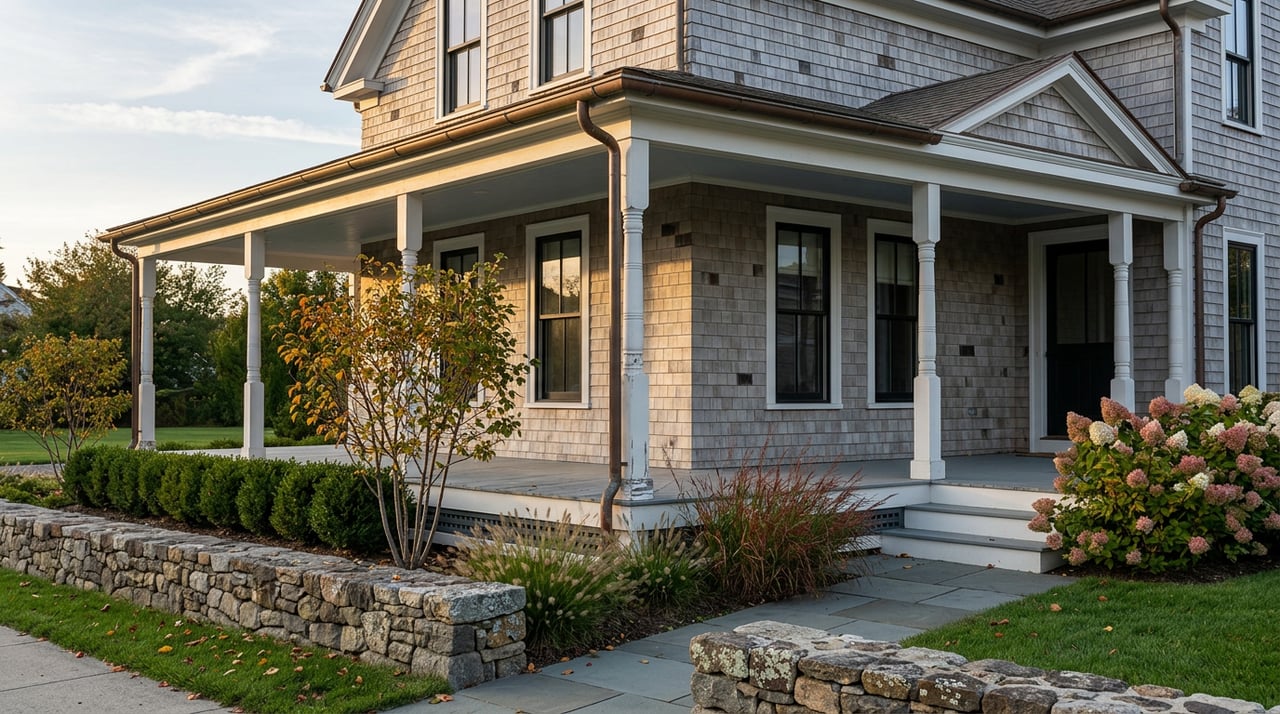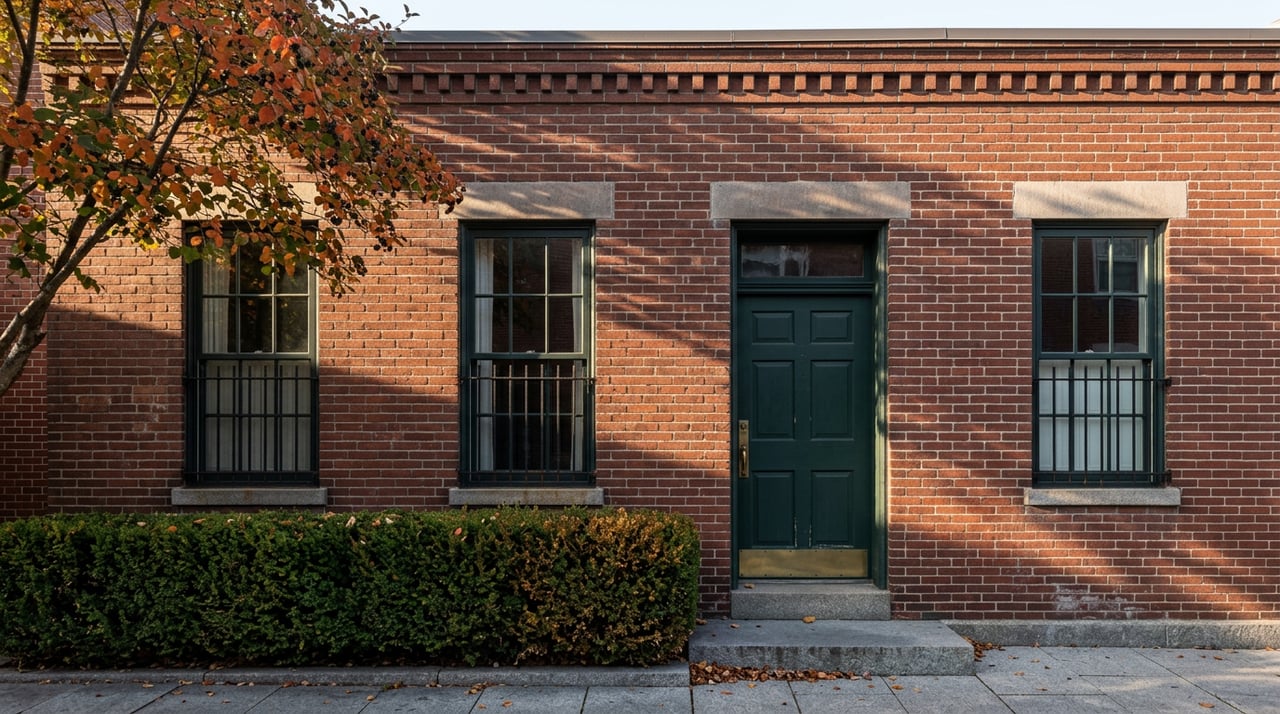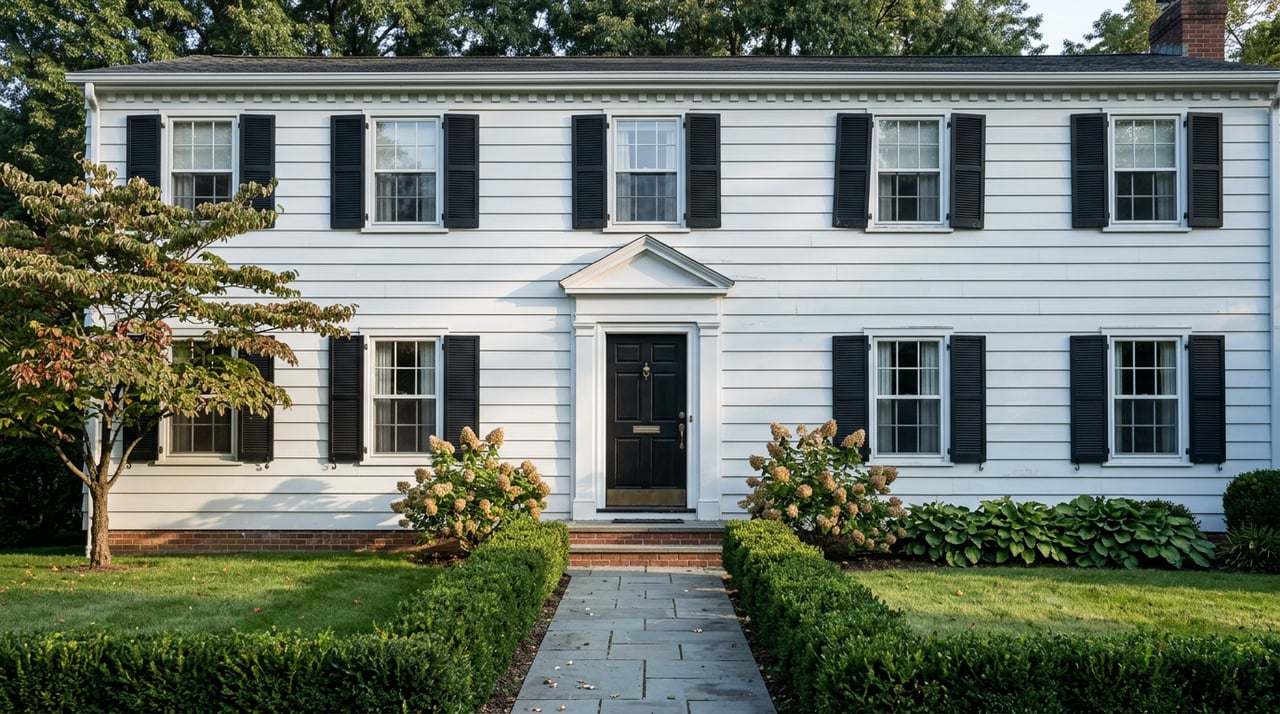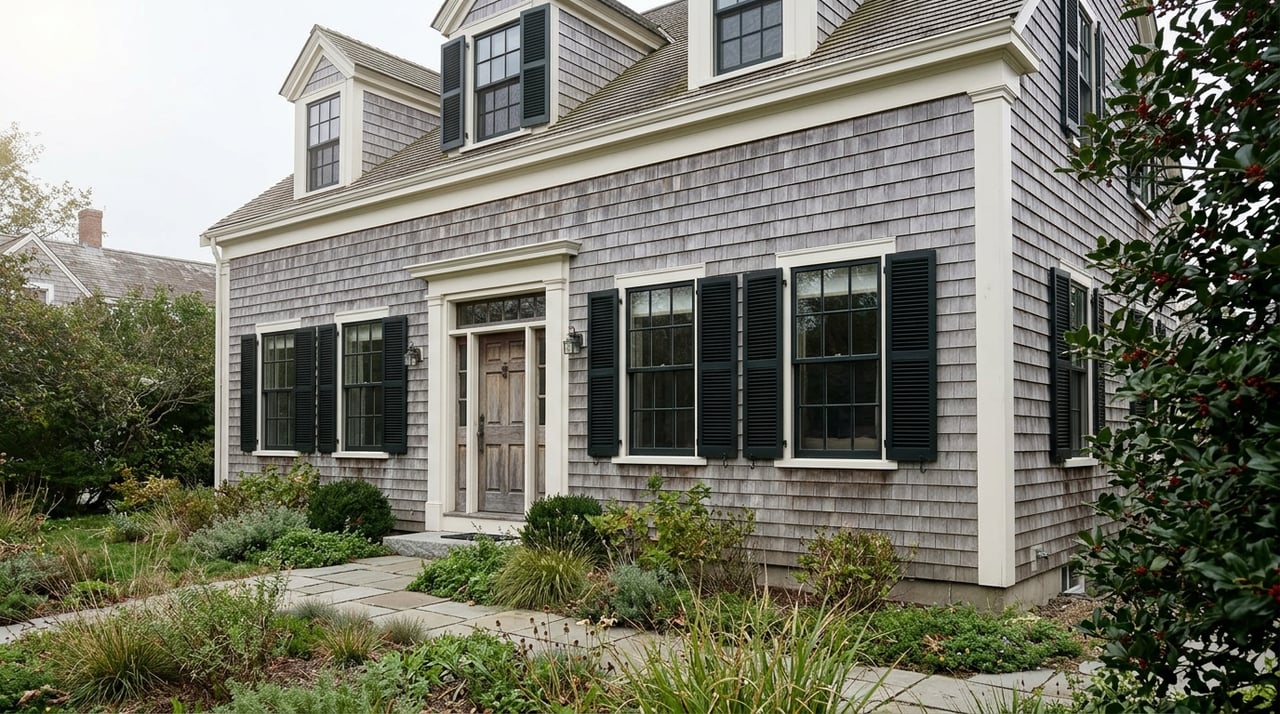
Most buyers touring a shingle-style cottage on Kay Street or a Federal-era doorway near Washington Square assume the rules about window replacements and roof colors apply somewhere else, to the Bellevue Avenue mansions with the marble gates. They do not think of themselves as buying into a regulated district. They are wrong more often than they think.
Newport's local historic district covers roughly 40 percent of the city's land area and touches more than half of its parcels. That means the modest triple-decker two blocks off Broadway and the waterfront colonial on the Point are, in all likelihood, both inside the same regulatory boundary as the estates. If you plan to replace a roof, swap out windows, add a dormer, or build a garage after closing, the Newport Historic District Commission has a say before your contractor picks up a hammer, and that fact rarely comes up during a showing.
What Actually Triggers a Review
The commission's authority is narrower than people fear and broader than people expect at the same time. It only governs exterior features visible from a public way, not interior layouts, paint on your kitchen cabinets, or anything a passerby can't see. But the definition of "exterior" is wider than most buyers guess. The city's own zoning code spells it out plainly:
Doors, window sash and frames covered by storm doors or windows shall be considered exterior features.
That single sentence is why a straightforward storm door swap can land on an agenda alongside a full restoration. Anything that changes the appearance of a contributing structure from the street, siding, roofing material, fences, paint color, outbuildings, demolition, requires a Certificate of Appropriateness before a building permit can be issued. Routine maintenance that doesn't alter design or materials is exempt, so replacing three rotted clapboards with matching clapboards is fine. Replacing them with vinyl is a different conversation.
Four Cases From One Meeting
The February 2026 Historic District Commission meeting gives a useful cross-section of what actually comes before the board in a given month, and how differently those applications land.
| Property | Proposed Work | Outcome |
|---|---|---|
| 32 Clarke St. | Full exterior restoration by the Newport Restoration Foundation, including replacing an asbestos roof with yellow cedar shingles | Approved same meeting |
| 11 Guerney Ct. | Removal of vinyl replacement windows, installation of Marvin Ultimate wood windows with simulated divided lights, new double doors | Approved same meeting |
| 6 Greenough Pl. | Raising an existing carriage house, new foundation, new second-floor dwelling unit, new guest cottage | Continued to the following month at the applicant's request |
| 73 Catherine St. | Construction of a new two-family structure and three-car garage | Continued to the following month |
Two of these went through cleanly in a single meeting. Two did not, and the reason wasn't a rejection, it was a request to come back with more detail, which pushes a project onto the following month's calendar automatically. That distinction matters more than most renovation checklists let on.
The Calendar Is the Real Constraint, Not the Money
Here is the part that catches buyers off guard after closing, not before. The Historic District Commission meets once a month, and completed applications are due roughly a month ahead of that meeting. There is no expedited lane. If your project needs revisions, or if the commission wants more documentation, you don't get bumped to the back of a queue that clears in a week, you get bumped to next month's meeting entirely. A homeowner who assumed a spring closing meant a spring construction start can find the actual work doesn't begin until early summer, not because a contractor was booked, but because the approval cycle itself runs on a fixed monthly clock that has nothing to do with anyone's schedule.
This is the friction that a standard 30 or 45 day inspection contingency doesn't account for. Buyers price in mortgage timelines and appraisal delays. Few price in the fact that their renovation start date is gated by a commission calendar they haven't looked at yet. Once a Certificate of Appropriateness is issued, it's valid for one year, with a one-year extension available on written request before it expires, so there is some runway once you clear the hurdle. Getting to that first approval is the part worth planning around before you write an offer, not after.
What the Tax Credit Actually Offsets
The materials the commission tends to require, real wood windows instead of vinyl, cedar shingles instead of asphalt, cost more up front. That's precisely the gap Rhode Island's Historic Preservation Tax Credit is built to narrow. It covers 20 to 25 percent of qualified rehabilitation expenditures on certified historic structures, with an additional 20 percent federal credit available for income-producing properties. For a buyer weighing whether the Marvin Ultimate wood windows required at a property like 11 Guerney Ct. are worth the premium over a cheaper alternative, that credit is the number that changes the math, provided the work meets the Secretary of the Interior's Standards and gets certified through the state preservation office in addition to local HDC approval.
That second layer is worth flagging. Local Certificate of Appropriateness approval and state tax credit certification are separate reviews with separate paperwork. Clearing one doesn't automatically clear the other.
The Market Isn't Pricing This In, and That's the Point
None of this friction shows up as a discount. A waterfront home on the Point at 4 Van Zandt Avenue sold in August 2026 for $3.4 million, 13.3 percent above asking, the highest sale in that neighborhood since April 2024. A circa-1880 multi-family property on Kay Street changed hands this year for $3 million, the highest multi-family sale in Newport so far in 2026. Both properties sit inside the historic district. Both sold at strong prices with active bidding. Buyers are not avoiding these houses because of the commission process, and sellers are not pricing in a discount for it either.
That's the actual finding here. The Historic District Commission doesn't suppress demand or depress price. It reshapes the timeline for anyone who buys expecting to renovate right away, and that timeline risk is invisible until you're the one filing the application. The properties transact fine. What changes is whether your first summer in the house includes new windows or a folder of continued applications.
Building This Into an Offer
Before you write an offer on a property where exterior work is part of the plan, a few questions save real time later. Pull the plat and lot number through the city's GIS mapping tool and confirm the property sits inside the local historic district, since the boundary is not always obvious from the street. Ask the listing agent whether any Certificate of Appropriateness has already been issued or is pending for work you're inheriting, since an existing approval can save you a full cycle. And build your renovation timeline around the monthly meeting date, not around when your contractor happens to be free.
A Few Questions Buyers Ask Before They Close
Does every old house in Newport require HDC review? Only if it sits inside the designated local historic district and the work is visible from a public street or space. Interior renovations, and work on non-contributing or non-designated structures, generally fall outside the commission's authority.
Can I do small repairs without an application? Basic maintenance that doesn't change the design, materials, or appearance of the structure is typically exempt. Replacing damaged clapboards with matching clapboards is maintenance. Changing the siding material is not.
What happens if I skip the process and do the work anyway? Under the city's own code, exterior work done without an approved Certificate of Appropriateness is a zoning violation, which can complicate a future sale, refinance, or insurance claim tied to that work.
Buying into a historic district in Newport isn't a reason to walk away from a property you love. It's a reason to know the calendar before you know the contractor. If you're weighing a purchase on the Point, Kay Street, or anywhere inside Newport's historic boundary, Boston ONE Realty Group can help you check the district map, review what's already been approved on a specific address, and build a realistic timeline before you're under contract. Get your instant home valuation to start the conversation.