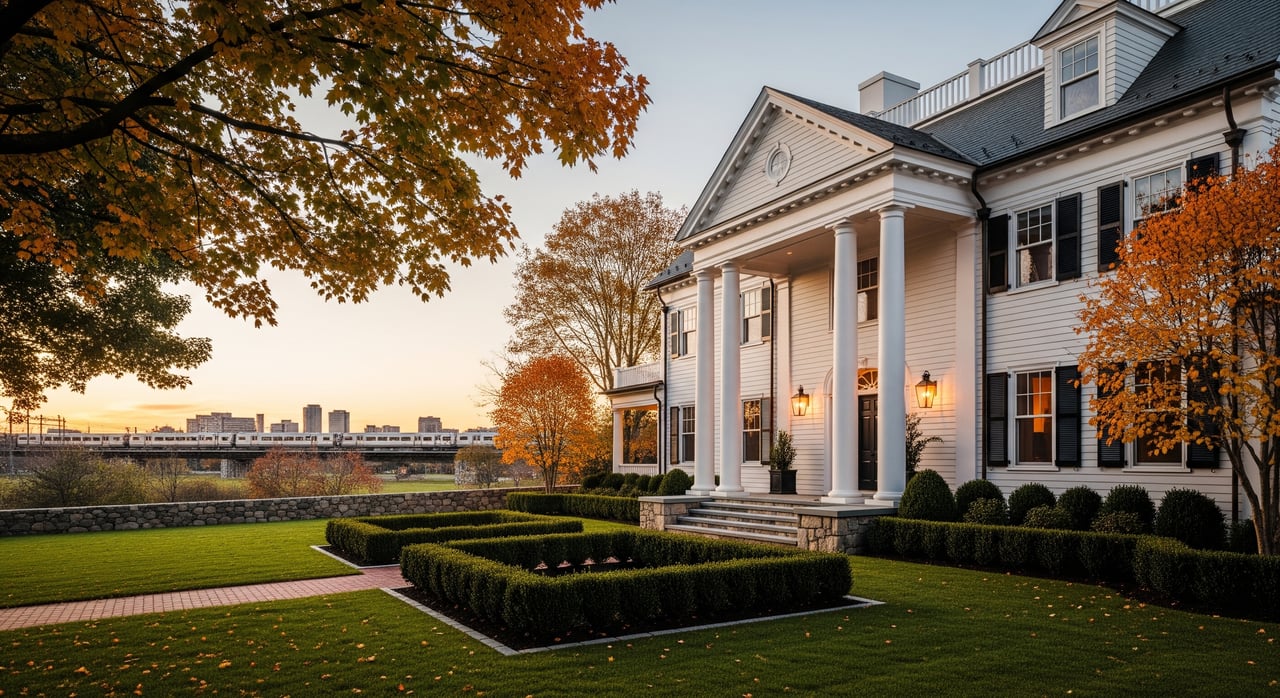
Thinking about trading city energy for a classic New England town with real roots? Lexington gives you village-center charm, access to Boston and Cambridge, and a strong local school system in one package. If you are exploring a move, you likely care about schools, your door-to-door commute, and how daily life will feel. This guide walks you through the essentials so you can decide if Lexington fits your next chapter. Let’s dive in.
Why Lexington stands out
Lexington sits in Middlesex County, northwest of Boston, close to Arlington, Waltham, Winchester, Bedford, and Burlington. The town center frames the historic Lexington Green and Minute Man history, and nearby streets offer a walkable village vibe with shops and dining. Outside the center, most neighborhoods are residential with tree-lined streets and a mix of home styles.
You are in the inner ring of Greater Boston, which makes reaching Cambridge, Kendall Square, and downtown Boston realistic for many work patterns. The town also offers active parks and recreation programming, a well-used public library, and conservation land for weekend time outside.
Schools in Lexington
Lexington Public Schools is widely regarded as a strong district in Massachusetts, which is a major draw for many buyers. The system includes multiple elementary schools, robust middle school programs, and Lexington High School with a broad set of advanced coursework. Families often choose Lexington for the combination of academics, extracurriculars, and community resources.
What to verify
- School performance and programs. Review objective metrics like test results, graduation rates, AP participation, student-teacher ratios, and per-pupil spending. Check the Massachusetts Department of Elementary and Secondary Education and the district’s latest reports for current data.
- Boundaries and assignments. Elementary assignments are set by neighborhood boundaries and can change. Confirm your prospective address with Lexington Public Schools and ask about any waitlists.
- Specialized offerings. Explore STEM, language, arts, and special education programs through the district’s program pages and school calendars.
- Alternatives nearby. Greater Boston has numerous private and parochial schools in nearby towns. If this matters to you, map commute and tuition alongside public school options.
Commutes and getting around
You have several ways to reach Cambridge and Boston. Commute times vary with traffic and schedule, so always test your route during the hours you plan to travel.
Typical commute choices
- Red Line at Alewife. Many residents drive, bike, or take a bus to Alewife in Cambridge to access rapid transit. Parking can fill at peak hours, so plan for first- or last-mile timing.
- MBTA buses and local shuttles. Select routes link Lexington neighborhoods to Alewife and other hubs. Schedules can change seasonally, so check current route maps and frequency.
- Minuteman Bikeway. A well-maintained path connects Lexington toward Arlington and Alewife, making cycling a realistic option for some commuters.
- Driving via Route 2 or I‑95/128. These are the primary corridors to Cambridge, Boston, and regional employment clusters. Peak-hour traffic can add time compared to off-peak.
- Park-and-ride. Municipal and area lots near key corridors help you combine driving with transit. Confirm permit rules and availability before relying on a specific lot.
Smart commute checks
- Time your door-to-door trip during your actual commute windows and compare options.
- If you plan to park at Alewife, explore backup plans for days the lot is full.
- Ask your employer about transit benefits, shuttles, or hybrid schedules that can ease the commute.
Neighborhoods and lifestyle
Lexington’s feel shifts by area, which helps you tailor your search to how you live day to day.
- Lexington Center. Historic homes and walkable streets near the green, shops, dining, library, and town services. A good fit if you value a village feel and being close to community events.
- East Lexington. Primarily residential with classic New England housing and access toward Arlington and Alewife. Some streets connect well to the Minuteman Bikeway.
- West and Lower Lexington. Quieter pockets with more conservation land nearby and a range of mid-century to newer homes. Expect a more suburban pattern with larger lots in some sections.
- Near Route 2 and commercial corridors. Convenient for highway access and errands, with more 20th-century development and a car-oriented layout.
- Newer builds and renovations. You will find updated homes and occasional infill or subdivision developments across town, reflecting steady demand for modern layouts and energy upgrades.
Community life centers on the green, library programming, youth sports, and seasonal events tied to Revolutionary War history. Outdoor options include conservation trails, town parks, athletic fields, and the Minuteman Bikeway. Walkability varies by address. The center and areas near schools are more walkable, while many residential neighborhoods are best navigated by car. On event days like Patriots’ Day, expect more traffic near historic sites.
Housing and costs
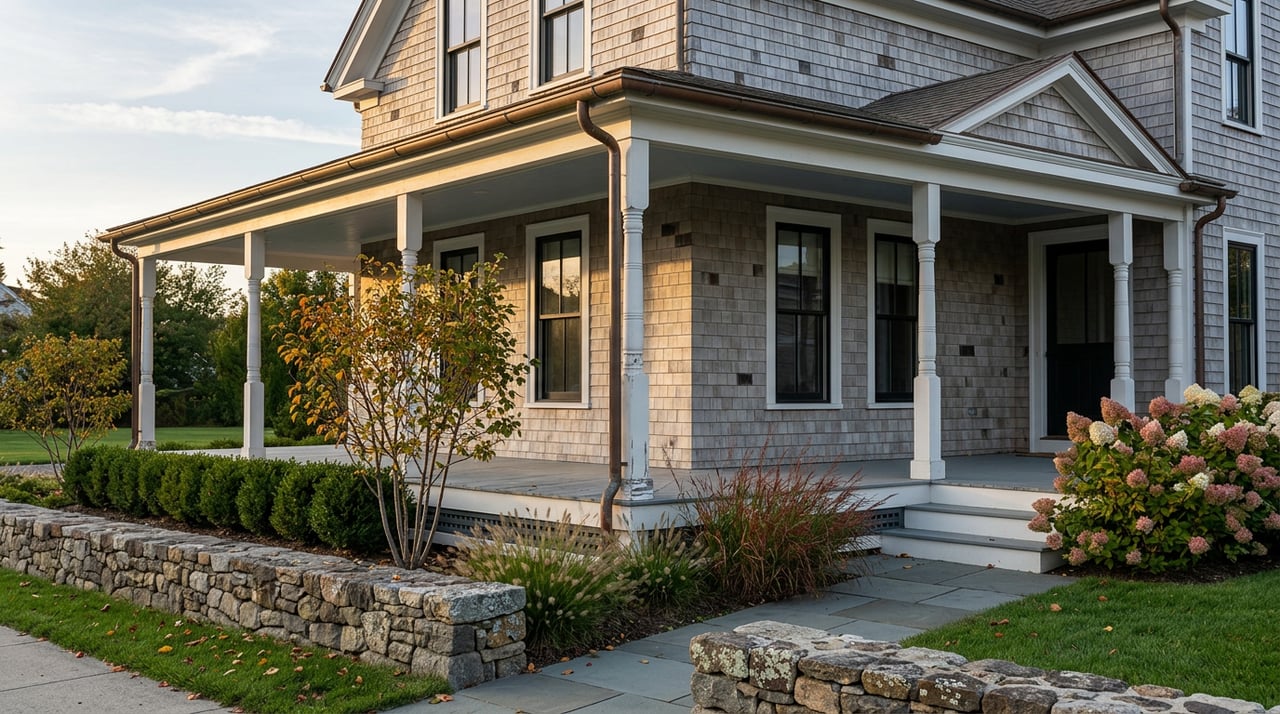
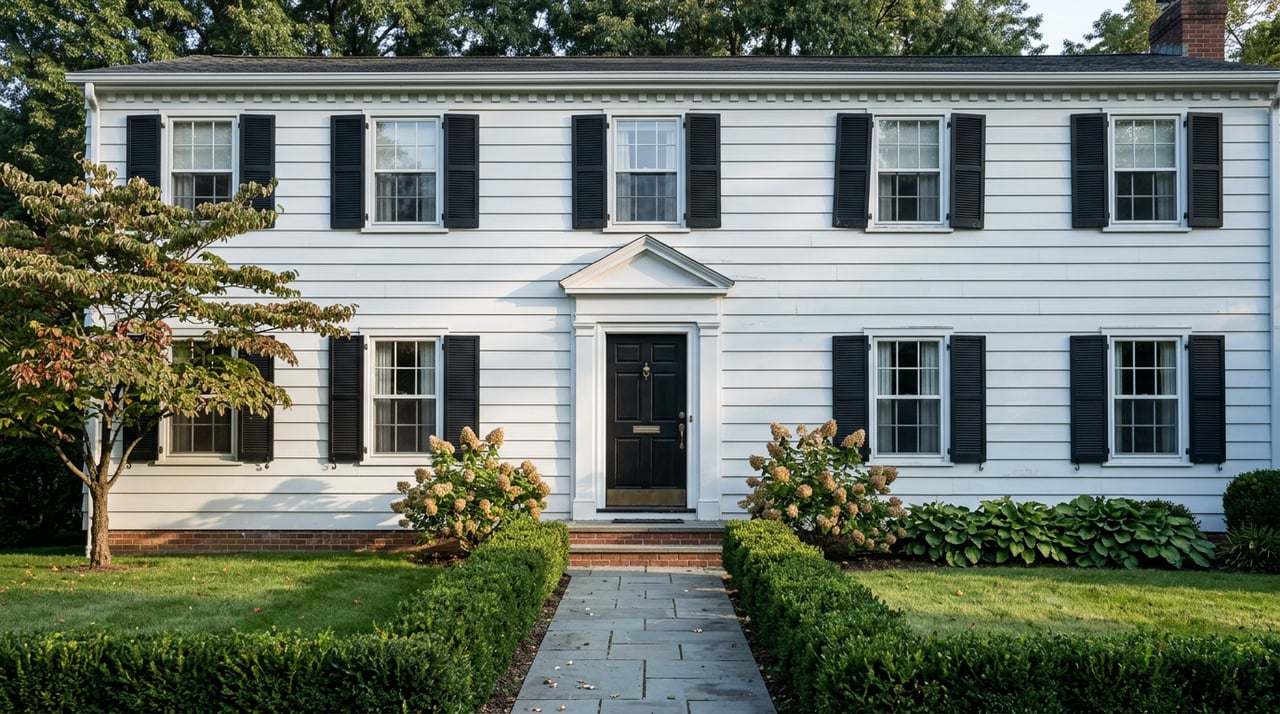
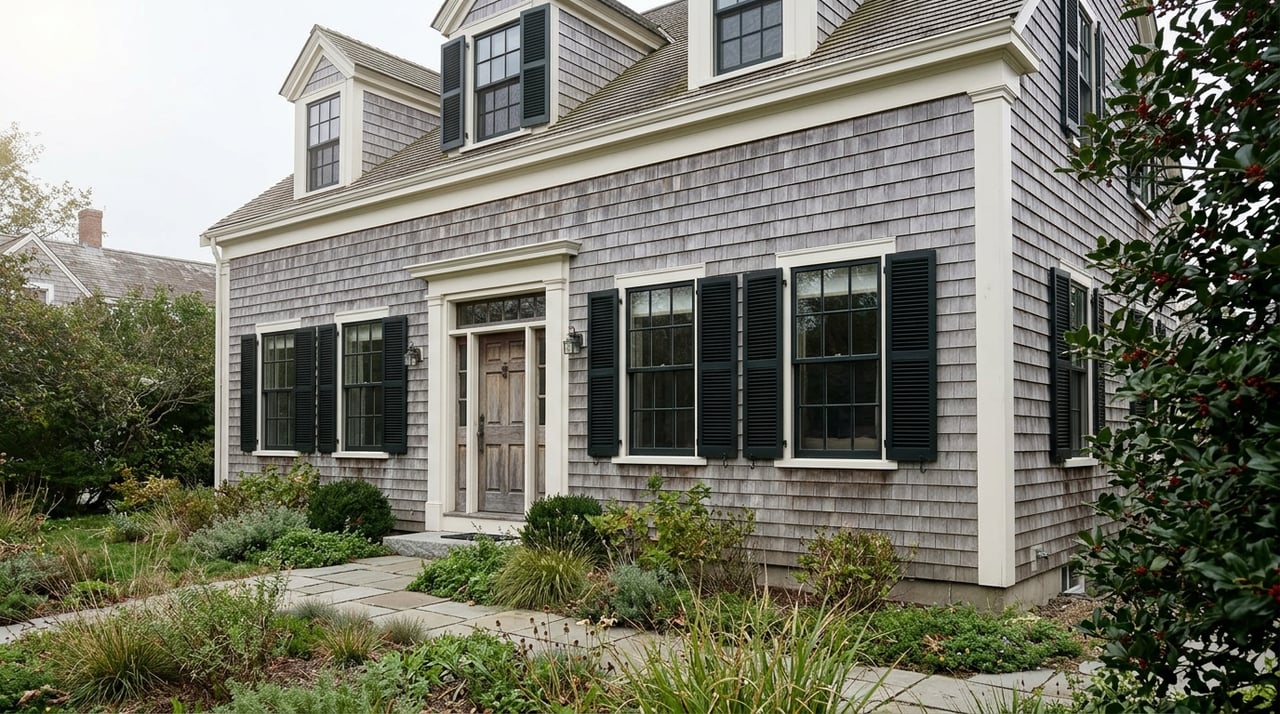
The housing stock leans heavily toward single-family homes, from classic Colonial and Cape styles to mid-century ranches and split-levels, plus new or fully renovated luxury properties. Condos and townhouses exist but are less common than single-family options. Lot sizes vary, with denser patterns near the center and larger parcels in some outlying areas.
Lexington is one of the more expensive suburbs in Greater Boston, driven by school demand, proximity to job centers, and limited supply. Competition can be strong for move-in-ready homes in central or convenient locations. Many buyers consider renovations or new construction to achieve their wish list when inventory is tight.
Property taxes depend on your assessed value and the town’s tax rate. Because values are high, the total bill can be significant even if the rate is moderate. Review the Lexington Assessor’s resources for the current rate and confirm utilities, municipal fees, and any HOA dues in your total monthly budget.
What to review with your agent
- Recent comparable sales and current inventory by neighborhood and home type.
- Property condition and systems, with careful attention to older-home items and energy efficiency.
- Zoning, historic-district guidelines, and any conservation restrictions that affect renovations or additions.
- Planned road work, school projects, or development that might influence traffic or neighborhood character.
A simple plan to choose Lexington
- Map your week. List schools, commute, grocery, and activities. This clarifies which neighborhoods fit your routine.
- Test your commute. Try your door-to-door route at peak and off-peak by both transit and car.
- Verify schools. Confirm boundaries, programs, and calendars with the district, and review current DESE data.
- Align your budget. Pair a mortgage pre-approval with tax estimates and utilities to define a true monthly range.
- Tour with purpose. Compare three to five neighborhoods that match your lifestyle, then refine the search to the best fit.
Ready to explore Lexington?
When you want neighborhood-level insight, construction-savvy guidance, and a plan tailored to your life, our team is here to help. We can stress-test your commute, verify school fit, and assess renovation potential to stretch your budget further. To start a private search, schedule tours, or get your instant home valuation, connect with The Boston ONE Team | SERHANT..
FAQs
What should I know about Lexington school assignments?
- Elementary assignments follow neighborhood boundaries, which can change, so confirm your address with Lexington Public Schools and review current DESE data for objective performance info.
How do I commute from Lexington without a train station in town?
- Many residents connect to the Red Line at Alewife by bus, bike, or car, or drive via Route 2 or I‑95/128; test your door-to-door route at your actual commute times.
Is Lexington walkable or car-oriented?
- The center and areas near schools offer more walkability, while many neighborhoods are car-oriented; evaluate your daily destinations before choosing a location.
What types of homes will I find in Lexington?
- Mostly single-family homes across Colonial, Cape, and mid-century styles plus newer or renovated properties, with condos and townhomes available in smaller numbers.
How should I plan for property taxes in Lexington?
- Taxes depend on your assessed value and the current town rate; review the assessor’s resources and include utilities, municipal fees, and insurance in your monthly budget.
Are there more affordable options near Lexington?
- Consider condos, smaller single-family homes, or areas farther from the center, and compare neighboring towns such as Arlington, Waltham, Bedford, and Belmont for fit and value.